
Published: June 14, 2025 | Updated: 09:27 AM IST
By The Hindu Bureau (Rewritten in original style)
Israel-Iran Conflict ,The Middle East stands at the edge of a dangerous precipice as the long-brewing Israel-Iran conflict exploded into a full-blown military confrontation this week. What was once a war of words, proxy battles, and clandestine operations has now become an open exchange of missiles and airstrikes, dragging in global powers and threatening to destabilize not only the region but global energy markets and diplomacy as well.
In the early hours of Friday, June 13, 2025, Israel initiated what it described as a preemptive strike on Iran’s nuclear and military infrastructure. The air assault was precise and devastating, targeting nuclear research facilities, ballistic missile factories, and strategic command centers. According to reports from Israeli authorities, the goal was to “neutralize imminent threats” and prevent Iran from developing an atomic weapon.
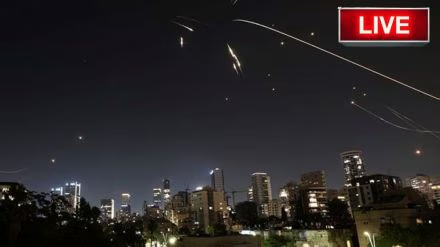
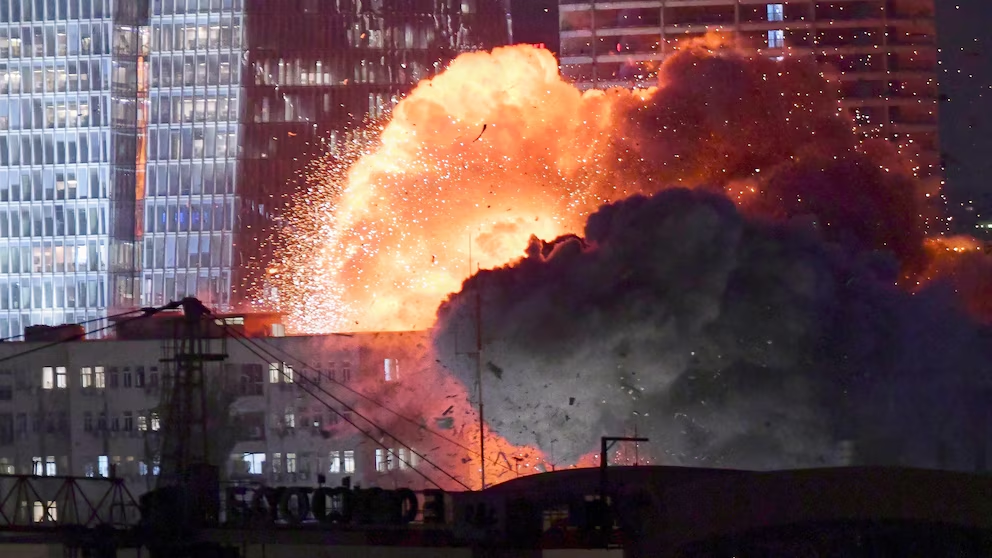
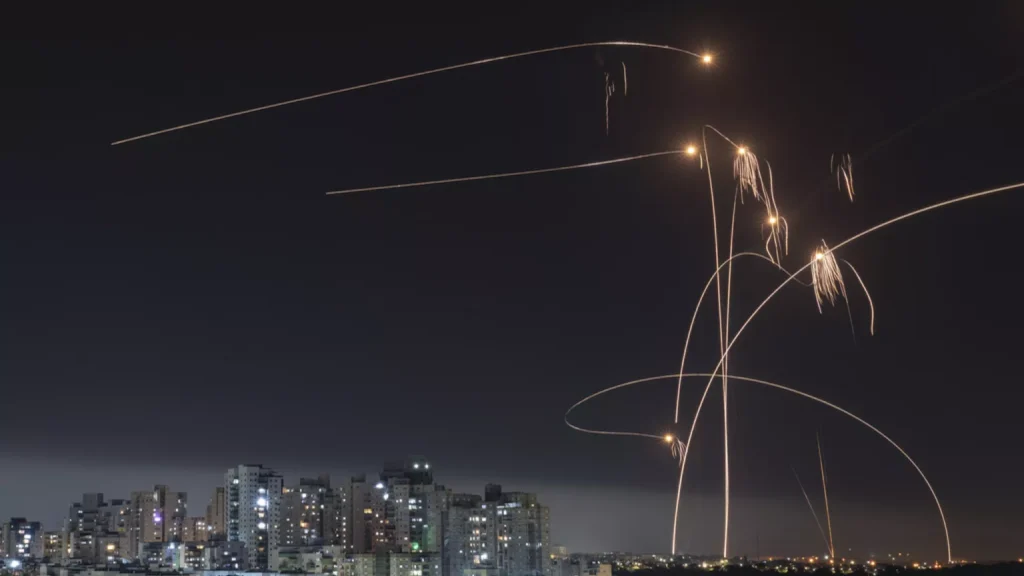
The response from Tehran was immediate and fierce. Iran launched a barrage of ballistic missiles targeting key Israeli cities, including Tel Aviv and Jerusalem. Explosions lit up the skies, and the wails of air raid sirens echoed as Israeli citizens sought shelter.
Table of Contents (Israel-Iran Conflict)
A War Long in the Making
To understand the scale of this conflict, it’s crucial to look back at the origins of the Israel-Iran conflict, which has simmered for decades. While diplomatic tensions between the two countries have existed since the Islamic Revolution in 1979, the rivalry intensified over Iran’s nuclear ambitions, its support for militant groups like Hezbollah, and Israel’s repeated warnings that it would never allow Tehran to acquire nuclear weapons.
The current escalation marks one of the most direct confrontations between the two nations. Israeli warplanes and drones—many reportedly smuggled into Iranian territory over months or even years—struck targets deep inside the Islamic Republic. Among the reported casualties were high-ranking Iranian generals and nuclear scientists.
Iran’s Supreme Leader, Ayatollah Ali Khamenei, vowed retaliation. In a recorded statement, he declared, “We will not allow them to escape safely from this great crime they committed.” According to Iranian officials, at least 78 people were killed and over 320 injured in the Israeli strikes.
Iranian Retaliation: Operation Honest Promise 3 (Israel-Iran Conflict)
Within hours, Tehran activated a large-scale counter-offensive dubbed “Honest Promise 3.” State media in Iran announced that ballistic missiles had been fired at Israeli targets in a second wave of retaliatory strikes. Explosions once again shook the Israeli capital and surrounding regions as Israel’s Iron Dome and other missile defense systems engaged incoming threats.
The Israeli military confirmed the interception of several Iranian projectiles and urged citizens to remain near shelters. Although no fatalities have yet been confirmed in this latest wave, several injuries and extensive property damage have been reported.
International Reactions: UN, US, Russia, and China Weigh In
The Israel-Iran conflict has drawn immediate responses from major global players.
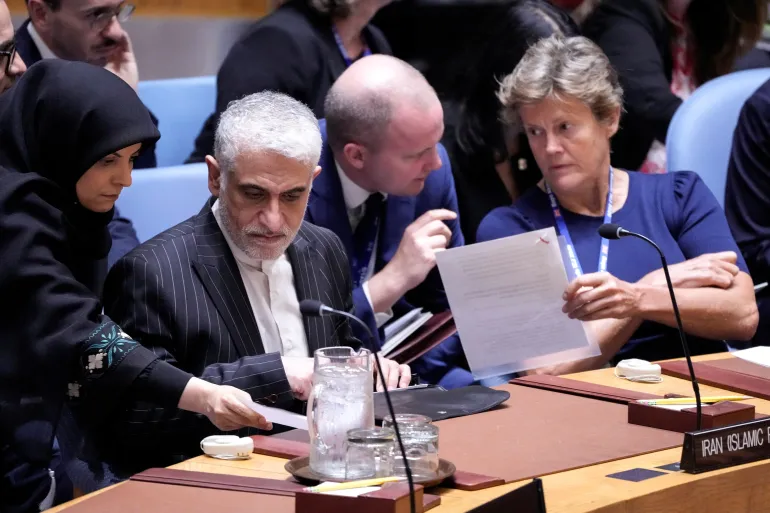
United Nations
UN Secretary-General António Guterres took to social media to call for calm: “Enough escalation. Time to stop. Peace and diplomacy must prevail.” A high-level conference on the Israeli-Palestinian peace process, scheduled for June 17–20, has been postponed as a result of the tensions.
United States
The U.S. confirmed that its missile defense systems, including Patriot and THAAD batteries, were actively helping Israel intercept Iranian missiles. A U.S. Navy destroyer in the region also reportedly shot down several incoming threats.
At the same time, Tehran accused Washington of being complicit in the Israeli strikes. Iranian Foreign Ministry spokesperson Esmaeil Baghaei said, “Dialogue with the U.S. is meaningless now. You cannot claim to negotiate while allowing the Zionist regime to bomb us.”
Russia
Russia strongly condemned Israel’s actions. Kremlin spokesperson Dmitry Peskov called the Israeli strikes “unprovoked and illegal,” claiming they violated the UN Charter. Moscow warned that the attacks have jeopardized ongoing diplomatic efforts to resolve the nuclear standoff between Iran and Western powers.
China
China’s UN envoy, Fu Cong, echoed similar sentiments, accusing Israel of violating Iranian sovereignty and escalating regional tensions. Beijing urged all parties to cease military action and return to the negotiating table.
Economic Fallout: Oil Markets in Turmoil (Israel-Iran Conflict)
The Israel-Iran conflict has had immediate repercussions on global markets, especially in the energy sector. Crude oil prices spiked nearly 8% on Friday, with West Texas Intermediate (WTI) futures rising to over $85 per barrel.
Traders have begun betting heavily on further price increases, with options trading for $80 oil contracts reaching their highest levels since January 2025. The fear is that a prolonged conflict could disrupt oil exports from the Middle East, including from the Strait of Hormuz, through which nearly a fifth of global oil supply flows.
India, which imports about 80% of its crude oil requirements, faces significant risks. Analysts estimate a 40–50% increase in export costs and rising inflation if the conflict drags on.
India’s Diplomatic Balancing Act
India finds itself in a delicate position. Both Israel and Iran are strategic partners—one a key defense and technology collaborator, the other a crucial oil supplier.
External Affairs Minister S. Jaishankar has already spoken to both Israeli Minister Gideon Sa’ar and Iranian counterpart Dr. Abbas Araghchi. According to diplomatic sources, New Delhi is urging restraint and offering to mediate if requested.
Meanwhile, political leaders in Jammu and Kashmir condemned Israel’s attacks. Chief Minister Omar Abdullah drew parallels with the Russia-Ukraine war, calling Israel’s move a “preemptive strike under the guise of self-defense.” Protests erupted in parts of the Kashmir valley, expressing solidarity with Iran and condemning the international community’s muted response.
The Broader Context: A 2,600-Year Rivalry
This is not merely a geopolitical conflict but also a deeply historic and ideological struggle. The Israel-Iran conflict is rooted in a broader narrative of Jewish-Persian rivalry that dates back more than two millennia. Both nations view this current confrontation as a defining moment.
Israeli Prime Minister Benjamin Netanyahu called the strikes “a decisive moment in Israel’s history,” while Ayatollah Khamenei declared that “the Zionist regime has sealed for itself a bitter and painful destiny.”
While Israel maintains that it is acting in self-defense, critics argue that these strikes could plunge the region into prolonged warfare. Former Mossad officials have warned that while the tactical gains might be significant, the strategic costs could be overwhelming.
Impact on the Palestinian Issue (Israel-Iran Conflict)
Interestingly, the Israel-Iran conflict has overshadowed the ongoing Israeli-Palestinian tensions. A major U.N. conference aimed at discussing the two-state solution has been delayed. The Palestinian Authority, which had hoped the conference would revive peace negotiations, expressed disappointment.
France, one of the conference co-chairs, reiterated its intent to eventually recognize the State of Palestine. French President Emmanuel Macron stated that while military support will be offered to protect regional partners, France will not participate in any offensive operations against Iran.
What’s Next?
With both countries suffering casualties and infrastructure damage, the question remains: what happens next in the Israel-Iran conflict?
Scenario 1: Full-Scale War
If hostilities continue, a full-scale regional war is not out of the question. Hezbollah in Lebanon and Iran-backed militias in Syria and Iraq could be activated. Israel might face attacks on multiple fronts, and Iran’s allies may begin targeting U.S. interests in the region.
Scenario 2: Diplomatic Backchanneling
Backchannel diplomacy may still hold a faint glimmer of hope. Countries like India, Turkey, and Qatar have historically played mediating roles. The U.S. and EU might also press for de-escalation to prevent a broader conflict.
Scenario 3: Stalemate and Proxy Escalations
Another likely scenario is a prolonged stalemate where both sides avoid direct conflict but continue fighting through proxies. Cyber warfare, assassinations, and sabotage might become the new battlegrounds.
Conclusion: A Tipping Point in Middle East History (Israel-Iran Conflict)
The Israel-Iran conflict has erupted at a time of already deep instability in the Middle East. While both countries claim they are acting to secure their future, their actions are now threatening to plunge the entire region into chaos.
The international community must urgently step in—not just with condemnation but with active diplomacy. The cost of inaction could be devastating: humanitarian crises, economic collapse, and the very real possibility of nuclear escalation.
In a region where history looms large and grudges run deep, this moment could either be the start of a catastrophic war or the turning point toward reluctant peace. The choice is fast approaching.