
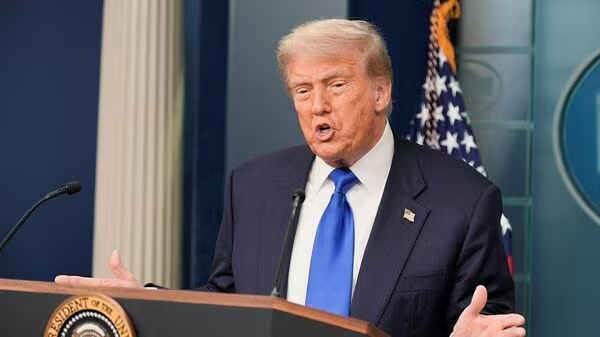
In a bold and controversial move that signals a renewed focus on aggressive trade reform, Donald Trump plans to issue a fresh round of tariff letters aimed at at least seven additional countries. These letters, which are scheduled to be released on Wednesday, July 9, 2025, will impose new tariffs ranging from 25% to 40%, effective August 1, 2025. The latest development underscores a dramatic shift from traditional diplomacy to direct confrontation in global trade relations, reflecting the president’s signature style of economic statecraft.
Table of Contents
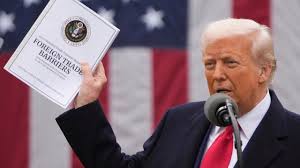
Donald Trump Plans to Shake Up Global Trade Again
In a message posted on his Truth Social platform, Trump revealed his administration’s intentions to release what he called “a minimum of 7 Countries” slated to receive formal trade notifications. These nations are expected to be hit with customized tariffs as part of what the White House describes as “tailor-made trade plans” crafted directly by the President himself.
Donald Trump plans are once again grabbing headlines, much like during his first presidency when similar tactics led to a full-blown trade war with China. This time, Trump’s approach appears even more unilateral and resolute, with each country’s trade terms being decided personally by the President. The former business mogul turned politician is framing the move as a necessary correction to what he describes as decades of trade imbalances that have left the United States economically disadvantaged.
Press Secretary Confirms Trump’s Direct Involvement
White House Press Secretary Karoline Leavitt confirmed on Tuesday that Donald Trump plans to personally set the tariff rates, emphasizing the customized nature of these trade decisions. “President Trump is setting the rates himself, creating tailor-made trade plans for each and every country on this planet,” she said during a press briefing. Leavitt emphasized that these decisions were not arbitrary but stemmed from a detailed analysis of individual trade relationships and imbalances.
The strategy reflects Trump’s belief that only strong and visible leadership can achieve real economic change. According to insiders, Trump believes that trade negotiations have been too secretive and bureaucratic in the past, allowing other countries to exploit the United States under the radar.
Letters Scheduled for Public Release and Enforcement
The trade letters will be released to the public before being officially sent to the affected countries. The White House confirmed that these tariffs are not hypothetical proposals—they are pre-set rates that will go into effect starting August 1, 2025. The new tariffs will range between 25% and 40%, depending on the country and the nature of the goods being traded.
This tactic marks a stark departure from traditional diplomatic approaches, where trade negotiations are typically carried out quietly behind closed doors. In contrast, Donald Trump plans to make his moves publicly, using media platforms to put pressure not only on foreign governments but also on domestic stakeholders.
Earlier Letters Warned 14 Nations
This announcement comes just two days after another wave of tariff warnings was sent out to 14 countries. Those letters gave recipient nations until August 1 to finalize trade agreements or face increased tariffs. This earlier batch of letters has already sparked anxiety in global financial markets and diplomatic circles. It’s clear now that Donald Trump plans to expand this strategy to even more countries, adding fuel to what some are already calling “Trade War 2.0.”
According to sources within the administration, the countries targeted in Wednesday’s letters are different from those contacted earlier in the week. The decision to stagger the announcements may be a strategic move designed to sustain media attention and increase the pressure on foreign governments to come to the negotiation table quickly.
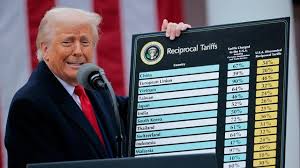
Trump’s Trade Philosophy: High Stakes and Higher Pressure
Trump’s actions reflect his core belief that tariffs are an effective tool not just to address trade imbalances but to fund domestic programs and revive American manufacturing. Donald Trump plans to use the increased tariff revenue to bolster the U.S. economy and offset recent tax cuts signed into law last week.
Critics argue that this approach is both risky and economically damaging. Many economists warn that it could lead to retaliation from affected countries, triggering a downward spiral of tit-for-tat measures that could disrupt global supply chains. But Trump has shown little concern for these warnings, doubling down instead on what he views as economic patriotism.
“Other countries have taken advantage of us for far too long,” Trump said during a recent rally. “No more. We are going to take back control of our trade, our jobs, and our future.”
Potential Retaliation and Global Repercussions
The letters reportedly include stern warnings against retaliatory measures. If any country responds to these new tariffs with counter-tariffs, the Trump administration has threatened to escalate matters with even higher penalties. This strategy may further alienate international allies and trading partners, making future negotiations more difficult.
Nonetheless, Donald Trump plans to stay the course. His administration insists that the long-term gains for the U.S. economy will outweigh any short-term diplomatic fallout. They believe that most nations will eventually comply with American trade demands once they realize the cost of non-compliance.
A Signature Trump Move: Tweets Over Treaties
One of the most distinctive elements of Trump’s approach to trade is his use of social media as a diplomatic tool. Rather than rely on confidential meetings and official communiqués, Donald Trump plans are often announced first on platforms like Truth Social. This tactic, which breaks decades of diplomatic tradition, has both supporters and detractors.
Supporters argue that this kind of transparency holds other countries accountable and shows Trump’s commitment to action over bureaucracy. Critics counter that it erodes trust, adds volatility to financial markets, and reduces the likelihood of fruitful negotiations.
Economists and Analysts React
Reactions from economists have been mixed but largely skeptical. Many see the move as part of a populist play aimed at energizing Trump’s base ahead of the 2025 elections. Others worry that Donald Trump plans could slow global economic growth at a time when several economies are already teetering on the edge of recession.
“The global economy is interconnected. You cannot just pull one string without affecting the entire web,” said Dr. James Rowley, an international trade expert. “Tariffs may help one sector but will inevitably harm another.”
However, supporters of Trump’s strategy argue that the global playing field has been uneven for years, with American workers paying the price. They see tariffs as a necessary corrective measure that should have been taken decades ago.
Not the Final Word
Despite the severity of the tone in the letters, the White House insists that they are not the final word on trade policy. They serve as official notices, but Trump has left the door open for negotiations up until the August 1 deadline. This leaves a narrow but crucial window for diplomacy.
In fact, Donald Trump plans to continue talks with countries willing to negotiate on new terms. If agreements are reached before the deadline, the tariffs may be reduced or rescinded. However, failure to strike a deal will result in full enforcement of the new rates.
A PTI news report called these developments “another episode in a global economic drama in which Trump has placed himself at the centre.” The report emphasized that while Trump may be unpredictable, his commitment to reshaping global trade cannot be underestimated.
Impact on U.S. Politics and the 2025 Election
These trade moves are deeply political, forming a key pillar of Trump’s 2025 re-election campaign. By positioning himself as a defender of American industries, Trump aims to win support among blue-collar voters and struggling manufacturing communities.
Donald Trump plans to campaign heavily on this theme, touting tariffs as a way to “put America first” and restore jobs lost to globalization. With the U.S. presidential election just months away, every economic decision is being carefully scrutinized for its potential electoral impact.
Echoes from the Past
Many observers are drawing parallels between Trump’s current actions and his first term in office. During his previous presidency, Trump initiated a trade war with China and imposed widespread tariffs on European steel and aluminum. His rhetoric and tactics today seem like a continuation—if not an escalation—of that earlier strategy.
Back then, the tariffs led to significant market disruption but also succeeded in bringing some countries to the negotiating table. Whether Donald Trump plans will have the same effect this time remains to be seen.
Conclusion: A New Trade Era?
With his latest trade initiative, Donald Trump plans to redefine America’s global trade strategy yet again. By targeting at least seven more countries with stiff tariffs, and possibly more later in the day, Trump is making it clear that he is not backing down from his hardline stance.
The coming weeks will be crucial. The world will watch how other nations respond, how global markets react, and whether Trump’s gambit succeeds in forcing fairer trade terms—or whether it plunges the world into deeper economic uncertainty.
One thing is certain: Donald Trump plans are setting the tone for the next chapter in international trade, and the repercussions will be felt far beyond America’s borders.
Pingback: IIM-Calcutta Student Arrested After Rape Complaint; Victim’s Father Later Denies Assault Allegation #1 - swiftheadlines.godsayhub.com