
Introduction
The ongoing Israel-Iran attacks have escalated further, plunging the Middle East into heightened uncertainty. With both countries exchanging fresh missile strikes and air raids, and regional players scrambling to contain the fallout, the conflict enters its ninth day with no clear signs of de-escalation. What began as a preemptive Israeli strike against Iranian nuclear facilities has rapidly evolved into a full-scale aerial conflict, with global implications. The war, which began on June 13, has already resulted in hundreds of casualties, regional military escalations, and growing diplomatic tensions.
Table of Contents
Fresh Airstrikes Deepen Crisis
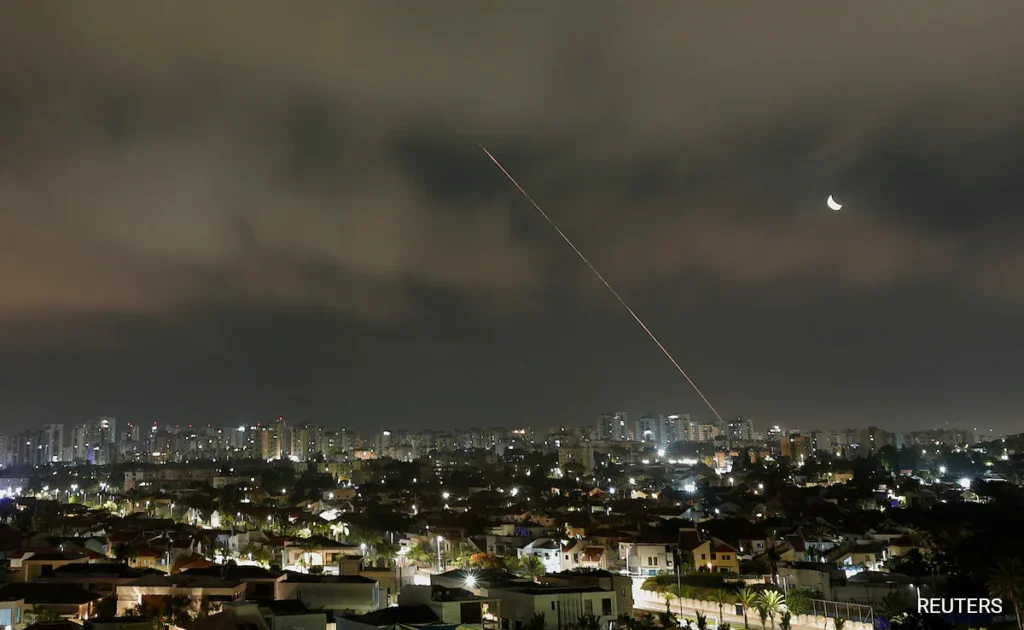
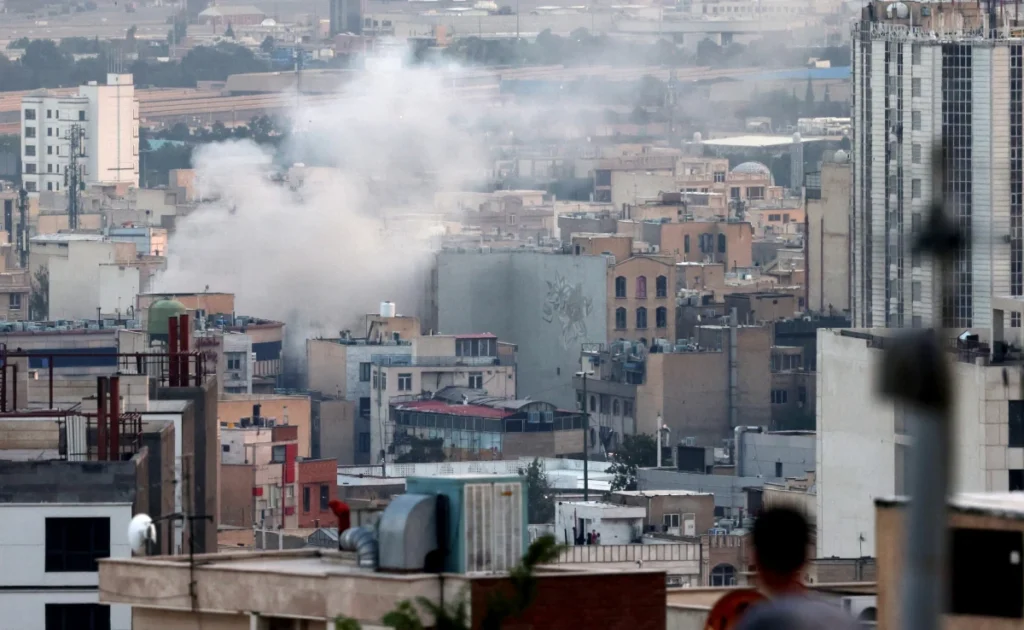
On Saturday morning, Israel and Iran launched renewed attacks, marking another violent chapter in the Israel-Iran attacks saga. Israel struck missile infrastructure deep inside central Iran, while Iran responded with a barrage of missiles targeting central Israeli cities including Tel Aviv. The Israeli military reported multiple successful interceptions of Iranian missiles using its Iron Dome and David’s Sling defense systems.
Sirens blared across central Israel and even in the occupied West Bank, causing widespread panic among civilians. The latest tit-for-tat attacks reflect the deepening resolve of both nations to continue this military confrontation, even as the international community urges restraint.
Tehran Refuses Nuclear Negotiations Amidst Threats
One of the most pivotal developments in the Israel-Iran attacks crisis occurred when Tehran officially ruled out any possibility of resuming nuclear negotiations under the current circumstances. The Iranian government reiterated that its nuclear program is for peaceful purposes and accused Israel of using “fabricated intelligence” as a pretext to attack.
Iran remains a signatory to the Nuclear Non-Proliferation Treaty (NPT), while Israel is not. Iran’s officials emphasized that as long as Israel continues its military aggression, they will not engage in any diplomatic talks regarding their nuclear infrastructure.
Trump Considers Ceasefire—With Conditions
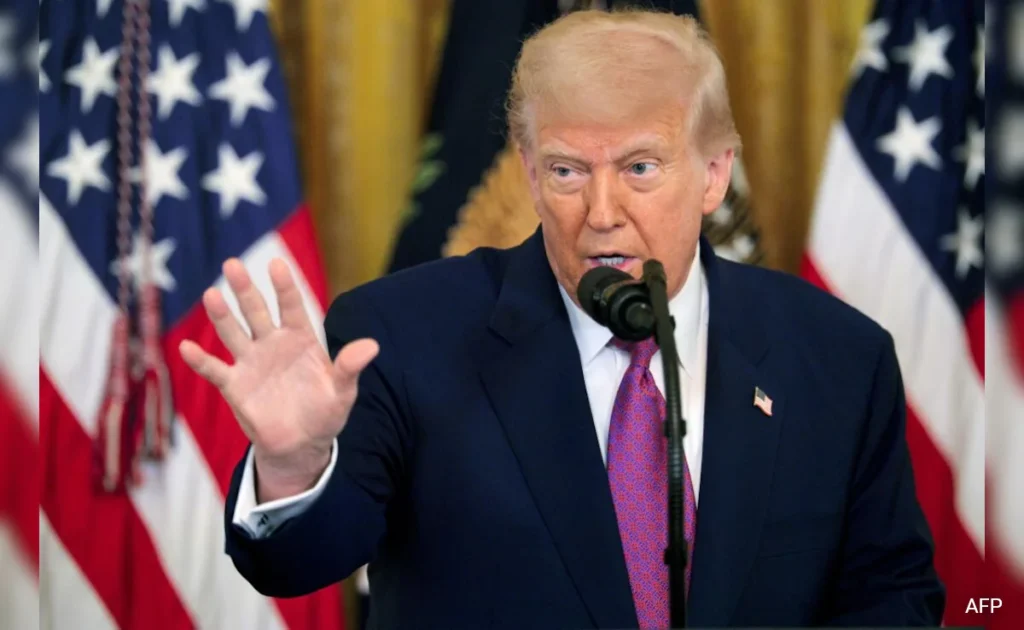
U.S. President Donald Trump broke his silence on the Israel-Iran attacks on Friday, stating that he might support a ceasefire “depending on the circumstances.” While Washington has long been an ally of Israel, the Biden-Trump transitional U.S. administration is treading carefully due to the complex geopolitical ramifications.
President Trump’s remark followed a rare disagreement with his own intelligence chief, Tulsi Gabbard, who stated that there was no conclusive evidence Iran was pursuing nuclear weapons. Trump contradicted her assessment, maintaining that Israeli strikes were justified.
Israel Claims Major Setback to Iran’s Nuclear Ambitions
Israeli Foreign Minister Gideon Saar claimed that the ongoing Israel-Iran attacks have dealt a significant blow to Iran’s nuclear capabilities. In an interview with German media, Saar stated that Israeli airstrikes had delayed Iran’s potential nuclear development by “at least two or three years.”
The attacks have reportedly targeted hundreds of military and nuclear installations, eliminating top scientists and high-ranking military personnel. The Israeli government believes this has significantly pushed back Tehran’s ability to construct a nuclear bomb.
Death Toll Rises Amid Continuous Strikes
A U.S.-based NGO reported that 657 people have died in Iran due to Israeli airstrikes, including both military personnel and civilians. The Israel-Iran attacks have wreaked havoc across cities in Iran, especially in central regions where key military and nuclear facilities are located.
On the Israeli side, several cities have suffered minor damage due to Iranian missile attacks, although their advanced air defense systems have minimized civilian casualties. The war has deeply impacted daily life, forcing schools and businesses in both nations to shut down.
Hezbollah Commander Killed In Lebanon As Conflict Spills Over
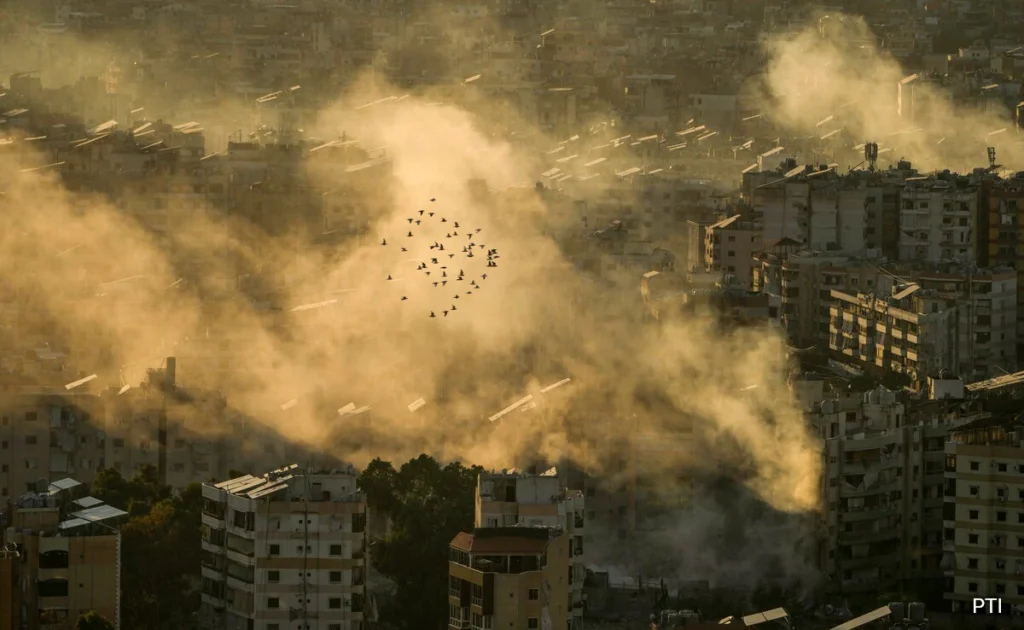
The Israel-Iran attacks have begun to spill over into other parts of the region, especially Lebanon, where Hezbollah remains an Iranian ally. On Friday, the Israeli Defense Forces confirmed the assassination of a key Hezbollah commander, Mohammad Khadr al-Husseini, in southern Lebanon.
Israel alleges that al-Husseini was responsible for organizing multiple attacks on cities such as Nahariya and Haifa, and was rebuilding Hezbollah’s depleted artillery units. This operation was part of Israel’s broader regional campaign to neutralize Iranian proxies and prevent multi-front aggression.
Social Media Erupts Over Ayatollah’s Old Posts Amid War
In a bizarre twist to the Israel-Iran attacks, old social media posts by Iran’s Supreme Leader Ayatollah Ali Khamenei have resurfaced online. These posts, dating back over a decade, portray a surprisingly liberal and feminist stance, with musings on poetry, women’s rights, and even support for movements like Black Lives Matter.
Social media users expressed astonishment at these sentiments, contrasting them with Khamenei’s current hardline position. While unrelated directly to the conflict, the posts have sparked a global conversation about leadership, image, and ideological shifts during wartime.
India Steps In To Help Evacuate Citizens From War Zones
As the Israel-Iran attacks intensify, neighboring countries and allies are taking swift action to evacuate their citizens. India, in coordination with Nepal and Sri Lanka, has offered logistical and diplomatic support to extract nationals from Iran through land routes and chartered flights.
The Indian government has issued advisories warning against travel to both Iran and Israel, urging citizens to contact embassies in case of emergencies. The Ministry of External Affairs stated that all necessary efforts are being made to ensure the safety of South Asian nationals caught in the war.
American Citizens Flee Iran Amid Rising Risks
An internal U.S. State Department cable revealed that hundreds of American citizens have fled Iran in the past week due to the ongoing Israel-Iran attacks. While many left via land borders without issue, the cable also noted “delays and harassment” for several U.S. citizens.
One family reported that two American nationals were detained by Iranian authorities while attempting to exit the country. The U.S., which has no diplomatic relations with Iran, faces immense challenges in protecting its citizens amidst an escalating conflict where its involvement may grow inevitable.
Arrests In Iran Over Alleged Israeli Spy Links
Iranian authorities have arrested 22 individuals in the province of Qom for suspected ties to Israeli intelligence. The arrests, carried out since the onset of the Israel-Iran attacks, are part of Tehran’s crackdown on internal dissent and espionage.
Iranian media claims that the suspects were collaborating with Israeli spy agencies to sabotage national infrastructure. These arrests have further fueled internal tensions, as the government tries to maintain order while continuing its military response to Israeli aggression.
OIC & Arab League Hold Emergency Talks In Istanbul
As the Israel-Iran attacks ripple across the region, members of the Arab League and the Organization of Islamic Cooperation (OIC) convened an emergency session in Istanbul. Diplomats and foreign ministers discussed the possible regional consequences and steps to initiate a ceasefire or peace talks.
While condemnation of Israeli strikes was unanimous among certain OIC members, others called for restraint from both sides and warned against turning the conflict into a full-blown regional war involving Hezbollah, Hamas, and other actors.
Israel Releases Propaganda Video On Iran’s Arsenal
In a bid to justify its continued offensive, the Israeli government released a propaganda video detailing Iran’s missile arsenal and alleged secret weapons development sites. The video claims Iran possesses medium-range ballistic missiles capable of reaching most of the Middle East, including Tel Aviv.
This media push is aimed at galvanizing international support and presenting the Israel-Iran attacks as a necessary defensive action rather than a war of aggression.
Conclusion: World Watches Closely As Conflict Escalates
The world remains on edge as the Israel-Iran attacks drag into their second week. With missile strikes, political posturing, and regional diplomacy all unfolding simultaneously, the conflict shows no signs of abating. U.S. involvement appears increasingly likely, while nations like India and Turkey rush to manage evacuations and peace efforts.
As each day passes, the human cost and geopolitical complexity of the Israel-Iran attacks deepen. Whether this war ends in diplomatic dialogue or drags into a broader regional confrontation remains to be seen.
Pingback: US Bombers Fly 37 Hours Non-Stop To Devastate Iran’s Nuclear Sites: A New Chapter in Middle East Conflict - swiftheadlines.godsayhub.com