
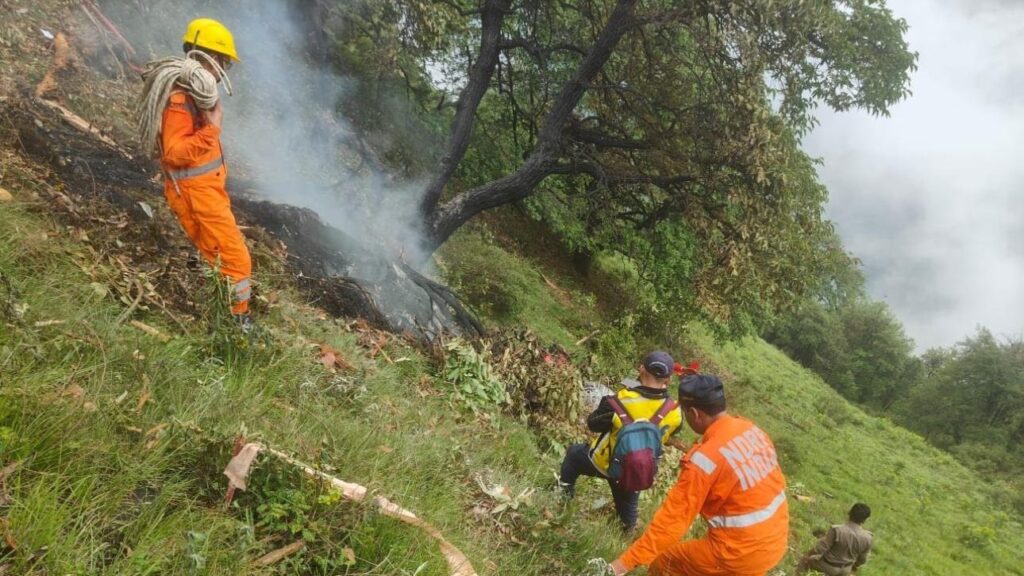
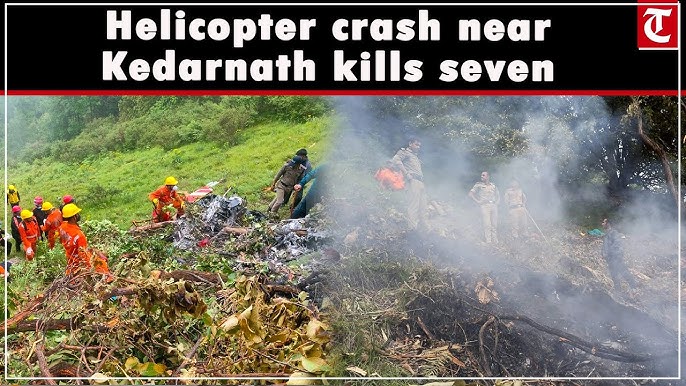
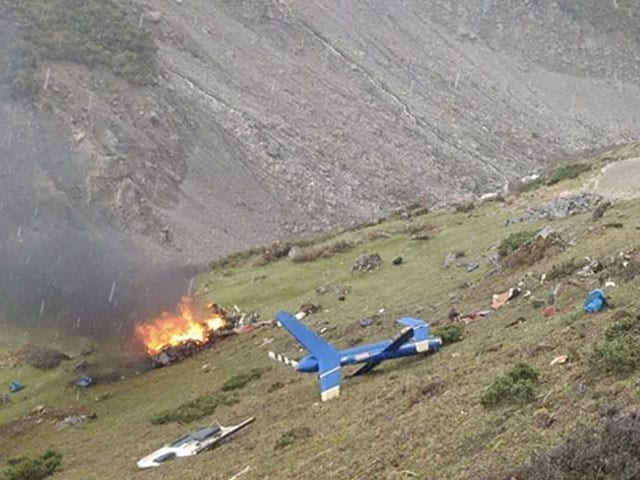
Helicopter Crash in Uttarakhand, a devastating helicopter crash in Uttarakhand has claimed the lives of seven individuals, including the pilot, while returning from Kedarnath to Guptkashi. The aircraft, operated by Aryan Aviation, went down amid heavy fog and poor visibility in the dense jungles near Gaurikund. The accident has led to an immediate suspension of helicopter services to the Char Dham pilgrimage sites, pending a comprehensive safety assessment by aviation authorities.
Table of Contents (Helicopter Crash in Uttarakhand)
The Flight and the Fatal Crash
On the morning of June 15, 2025, an Aryan Aviation helicopter departed Kedarnath, carrying six passengers and one pilot. The flight’s destination was Guptkashi, a routine leg connecting the sacred Hindu shrine of Kedarnath with one of the gateways to the pilgrimage circuit. However, dense morning mist and deteriorating weather conditions created a hazardous environment that culminated in disaster.
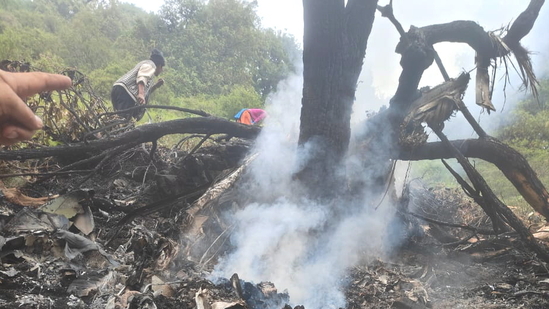
Eyewitnesses in the Gaurikund vicinity reported seeing the helicopter disappear into the fog shortly before hearing a loud crash. Rescue teams dispatched from both local authorities and the Uttarakhand Disaster Relief Force made their way through treacherous terrain, locating the wreckage deep inside the forest. Tragically, all seven occupants were found deceased at the site.
Identities of the Victims
The deceased include the aircraft’s pilot and six passengers. Among the identified victims are:
- Ankit Sharma
- Arvind Ojha
(One passenger’s identity has not been disclosed as families are being notified.)
Poor Weather Cited as Cause
Preliminary reports suggest that the helicopter crash in Uttarakhand was precipitated by heavy fog and rapidly declining visibility on the return journey. Aviation officials noted that the aircraft entered an area choked with dense mist shortly before ground control lost contact with the pilot. The sudden change in weather likely prevented the crew from navigating back to Guptkashi safely.
Suspension of Char Dham Helicopter Services
In direct response to this calamity, the Uttarakhand Civil Aviation Development Authority (UCADA) and the Directorate General of Civil Aviation (DGCA) have jointly ordered an immediate cessation of all helicopter operations serving the Char Dham pilgrimage sites—Kedarnath, Badrinath, Gangotri, and Yamunotri—until further notice.
Authorities emphasized that the suspension will remain in effect pending a rigorous safety review. The incident has prompted concerns about the vulnerability of aerial pilgrimage routes to sudden weather shifts, especially in the unpredictable Himalayan region, where conditions can change swiftly and without warning.
Government’s Response and Inquiry (Helicopter Crash in Uttarakhand)
Uttarakhand Chief Minister has directed the formation of a technical committee to thoroughly evaluate the safety protocols currently in place for aviation services in the region. This panel will scrutinize:
- Aircraft maintenance and airworthiness certificates
- Pilot training programs and weather-preparedness protocols
- Communication systems and emergency protocols in rugged terrain
- Policies on operational suspension under adverse weather conditions
- Passenger boarding norms and load management in high-altitude flights
Depending on the committee’s findings, the government may revise safety regulations, enforce stricter weather minimums, or mandate additional training and equipment for helicopter operations.
The Dilemma of Aerial Pilgrimage Travel
Helicopter services have become a lifeline for pilgrims flocking to Himalayan shrines, particularly during peak season. They offer a swift alternative to grueling, multi-day treks and poor road conditions. But this convenience comes at a cost: exposure to mountain weather hazards. The high-altitude flying corridors of Uttarakhand, characterized by sudden fog, precipitation, and strong winds, create treacherous conditions for rotary-wing aircraft.
Pilgrims and their families often rely on these air services to reach remote temples, especially over the treacherous Dudhkoshi Valley and Chinabari forest stretch. While authorities insist on rigorous safety procedures, the accident underscores the precarious balance between access and risk in India’s Himalayan air shuttle network.
Eyewitness Accounts and Local Impact
Villagers and tourists near Gaurikund recounted a surreal morning: one moment the valley lay serene, the next a violent noise shattering the hush. An eyewitness said:
“We saw the chopper descending into the fog and seconds later heard a tremendous crash. When rescue teams arrived, the fuselage was mangled, and there was no sign of survivors.”
Shocked bystanders and locals rushed toward the smoke-filled forest, only to be turned back by steep terrain and thick vegetation. Authorities cordoned off the area to aid recovery operations.
Rescue and Recovery Operation
Search and rescue operations were mounted swiftly, involving:
- Teams from UCADA and the DGCA
- Uttarakhand Disaster Response Force (UDRF)
- Local police units from the Himalaya zone
- Fire and medical emergency services
Despite the difficult topography and poor weather, the teams managed a coordinated search. The wreckage was located within a few hours of the incident, but authorities confirmed that all seven onboard died in the impact. The next of kin were notified, and bodies were recovered and transferred to a hospital in Rudraprayag for post-mortem and identification procedures.
Aviation Authorities Warn of Heightened Risk
The DGCA has reiterated mandatory safety protocols for mountain flights, including strict weather minimums, fuel reserves for diversion, and crisis communication systems. The blanket suspension ordered jointly with UCADA signals the gravity of the situation and the need for thorough introspection.
A DGCA spokesperson reminded operators of their obligations:
“In aviation, the safety of passengers and crew is paramount. Helicopter operations in Himalayan regions demand robust systems for real-time meteorological updates, pilot training, and emergency preparedness.”
Pilgrimage Peak and Flight Frequency
Demand for Char Dham helicopter services peaks during June through September, coinciding with favorable weather and pilgrimage season. The services are heavily booked, especially for Kedarnath, where access is limited to air travel and long, arduous treks.
Several operators, including Aryan Aviation, deploy small-capacity helicopters that make frequent round trips between Kedarnath, Guptkashi, and Phata. These flights can operate every 10 to 15 minutes during peak times, ferrying hundreds of pilgrims per day between bustling boarding points.
The Incident’s Ramifications for Tourism
The helicopter crash in Uttarakhand has sent shockwaves through local tourism-dependent economies. Hotels, restaurants, guide services, and local transport rely heavily on pilgrimage traffic, especially around Kedarnath and Badrinath.
With flight operations halted indefinitely, displaced flight schedules and stranded pilgrims could dampen tourist activity for weeks. The state government is reportedly strategizing alternative ‘make-up’ options, such as allocating additional buses or introducing temporary stays in lower-altitude regions, while also pushing for rapid resumption of flights under safer protocols.
Helicopter Safety Record in the Himalayas
This is not the first aviation tragedy in the region. The Himalayan corridors have seen multiple helicopter accidents in recent years—occurrences often attributed to sudden weather changes, hilly terrain, limited visibility, or mechanical failures.
According to an analysis by India’s Directorate General of Civil Aviation:
- Roughly 60% of helicopter accidents in Uttarakhand over the past decade are tied to weather-related issues.
- More than 30% involve controlled-flight-into-terrain (CFIT), a process where an aircraft inadvertently flies into ground obstacles.
- Engines and rotor failures make up the rest, with mechanical malfunction being a significant contributor.
These patterns illustrate the persistent dangers associated with rotorcraft operations in mountainous zones.
Future Safety Enhancements
The committee constituted by the Chief Minister will undertake a wide-ranging safety audit. Possible recommendations include:
- Mandatory Helicopter Upgrades – Retrofitting choppers with advanced weather-avoidance systems, terrain awareness and warning systems (TAWS), and de-icing equipment.
- Stricter Weather Cutoff Norms – Establishing clear operational ceilings on visibility, cloud cover, and wind speed.
- Extra Pilot Training – Specialized drills in mountain navigation, emergency recovery procedures, and go/no-go decision-making.
- Real-Time Monitoring – Establishing a centralized control center providing live data on weather, flight positions, and emergency alerts.
- Passenger Awareness – Public briefings on flight risks and safety norms, encouraging pilgrims to avoid last-minute bookings or overloaded flights.
Comparisons with International Standards
Globally, helicopter operations around high-altitude areas follow stringent protocols:
- Nepal’s Civil Aviation Authority halts flights when visibility falls below 2 km or cloud bases descend to 900 m.
- In the U.S., the Federal Aviation Administration (FAA) mandates terrain awareness systems in all turbine-powered helicopters traversing rugged environment.
India, while compliant with many international regulations, faces distinct geographical and infrastructural hurdles—the steep Himalayan valleys and unpredictable climate require more robust safety frameworks.
Community and Pilgrim Perspectives
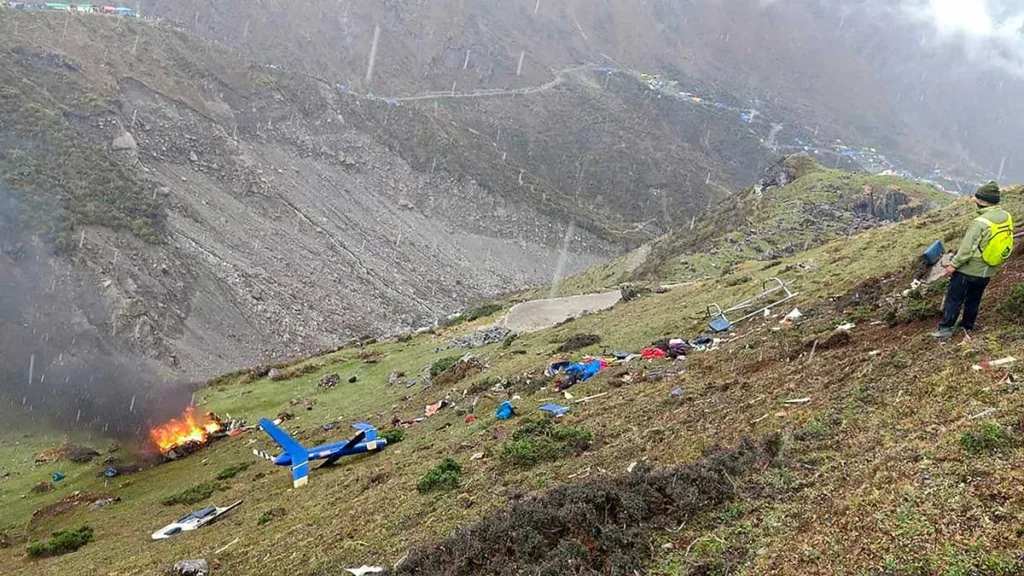
Local residents recount how helicopter tourism has been a mixed blessing—bringing in revenue but also carrying the specter of catastrophe. Pilgrims, too, are voicing frustration. One traveler from Delhi said:
“We booked a return flight tomorrow, but now everything is stopped. We understand the safety concerns, but the alternative is a 20-hour trek through rough roads.”
Government Aid and Compensation
The Uttarakhand government has announced that families of the deceased will receive immediate relief. An aid package, including:
- ₹2 lakh in ex-gratia per victim family
- Free transportation of remains to hometowns
- Facilitation of legal and medical procedures
A senior official confirmed that the compensation is in line with previous aviation mishaps, signaling the state’s commitment to support affected families.
Path Ahead for Helicopter Services (Helicopter Crash in Uttarakhand)
While the comprehensive probe by the committee is underway, aviation operators are expected to halt civilian helicopter services voluntarily. The DGCA is expected to issue an interim bulletin that may include:
- Mandatory suspension of flights during poor weather
- A 12-month safety audit for all Char Dham service operators
- A review of aircraft maintenance logs and safety checklists
Expert Opinions Urging Safety over Speed (Helicopter Crash in Uttarakhand)
Aviation safety analysts stress that enhanced safety protocols must balance pilgrimage demand with life‑preservation:
“Rapid turnaround flights in mountains tempt schedule pressure,” remarked a veteran pilot. “Without strict oversight, crews may take off despite questionable conditions. That approach must end.”
Another consultant said:
“India should adopt a ‘governed pause’ policy—flights stay grounded until objective weather benchmarks are met.”
Broader Implications for Pilgrimage Infrastructure (Helicopter Crash in Uttarakhand)
The crash’s impact may prompt a shift in how devotees access high‑altitude venues:
- Road improvements – Better and safer roads could offer viable alternatives to helicopters in some sectors.
- Cable car projects – Feasibility studies for rope‑way systems have been gaining traction, particularly for Kedarnath and Valley of Flowers routes.
- Heliport Modernization – Upgrading heliports in Guptkashi, Phata, and Dehradun with advanced navigation aids and live weather cams.
A Sobering Moment for Char Dham Tourism
By evening, news of the accident had rippled through pilgrim circles, prayer halls, and local markets, injecting a wave of sorrow and hesitation into the traction-charged Char Dham circuit. Vendors selling flowers and religious offerings expressed concern about pending cancellations, while temple authorities said they are coordinating with district administrations to respond to question of stranded travelers, permit extensions, and modified transportation.
Government Focus on Prevention, Not Just Reaction
A senior bureaucrat commented:
“This helicopter crash in Uttarakhand is a wake‑up call. We must not only investigate but also anticipate hazards. That means building resilient systems, investing in training, and putting human life above pilgrimage schedules.”
Voices of Solidarity and Grief (Helicopter Crash in Uttarakhand)
Positive responses poured in from around the country. Social media tributes honored the deceased with hashtags like #UttarakhandHelicopterCrash and #PrayForKedarnath. One Twitter user reflected the collective sentiment:
“Our heartfelt condolences to the families of those lost in the helicopter crash in Uttarakhand. May the committee bring meaningful change to prevent similar tragedies.”
A Tragedy That May Reconfigure Char Dham Travel
This accident may mark a turning point. Trust, once built on the reliability of quick helicopter hops, may give way to caution. The government may accelerate infrastructure transformation, with roads, ropeways, and upgraded aerial operations shaping a safer pilgrimage network.
Conclusion (Helicopter Crash in Uttarakhand)
The helicopter crash in Uttarakhand that claimed seven lives is a devastating reminder of the hazards inherent to mountain aviation. Rooted in a sudden lapse of visibility over dense jungle, the accident has triggered a comprehensive suspension and systemic review of Char Dham helicopter services.
What emerges is a larger dilemma: how to preserve convenient pilgrimage access without compromising safety in the increasingly unpredictable Himalayan environment. The government’s forthcoming safety audit, regulatory reforms, and renewed infrastructure investment may forge a new pathway—guided by caution, technology, and a commitment to passenger security.
In honoring the victims of this catastrophe, Uttarakhand’s administration and aviation watchdogs have an opportunity to reshape the future of spiritual travel—so that no life is risked in service of faith.